Themes & moods
Beyond genre: 191 editorial tags classifying every title in the AniTome catalog by what it is about, how it feels, and what watching it demands. Hubs need at least 10 fully-described titles before they are surfaced — 146 are live for now.
Themes
What the work is about at its core — the ideas it interrogates.
Strangers or outcasts build the family bond they never had.
 e.g. How to Treat a Lady Knight Right
Growing up — the protagonist matures from child to adult through consequences, not birthdays.
 e.g. Shugo Chara!
Who am I, really — identity is unstable, performed, or discovered.
e.g. Shugo Chara!Recovering from harm is a process the story follows honestly.
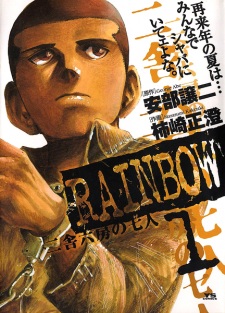 e.g. Rainbow: Nisha Rokubou no Shichinin
What one must do clashes with what one wants — obligation wins at personal price.
 e.g. Trigun
Death, loss and mourning are a central subject, not a single plot beat.
 e.g. Bitter Virgin
A character who did harm tries to earn their way back — atonement drives the arc.
 e.g. CØDE:BREAKER
A vengeance quest structures the plot and questions itself along the way.
 e.g. Nano Machine
The climb toward greatness destroys the climber as much as the rivals.
 e.g. Space Brothers
Making art (music, drawing, writing, crafts) is the core subject, including its costs.
 e.g. Welcome to the Ballroom
Learning to live with the self one despises — flaws, body, past.
e.g. How to Treat a Lady Knight RightGiving up something irreplaceable for others — and it actually costs.
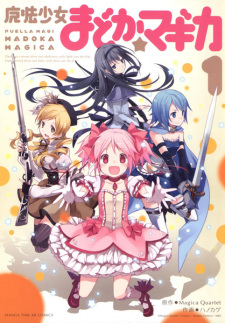 e.g. Puella Magi Madoka★Magica
Searching for a place or group where one is accepted as-is.
 e.g. Genshiken
Whether prophecy, destiny or choice rules the outcome is the open question.
e.g. Puella Magi Madoka★MagicaThe body as site of identity — transformation, gender, disability or control.
 e.g. Gleipnir
Power corrupts or burdens; holding it is treated as a moral position.
 e.g. World Trigger
Old tales, yokai and folk belief as living forces in the modern world.
 e.g. Nura: Rise of the Yokai Clan
The line between human and monster is moral, not biological.
e.g. TrigunReceiving, resenting or escaping what predecessors left behind.
 e.g. Return of the Blossoming Blade
Raising children — its duty, failure or transformation of the parent.
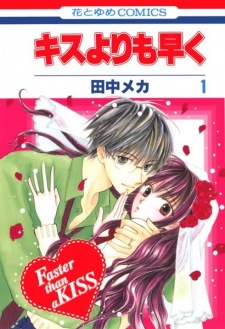 e.g. Kiss yori mo Hayaku
What competition means beyond winning — the spirit of the game itself.
 e.g. Chihayafuru
Physical, social or psychological cages — and escape attempts.
 e.g. Teenage Mercenary
A fixation consumes the obsessed — craft, rivalry, or love turned compulsion.
 e.g. Hikaru no Go
The psychological scarring of war on soldiers, civilians or survivors.
 e.g. 86: Eighty-Six
Teaching, learning and passing on craft as a meaningful relationship.
 e.g. Silver Spoon
Remembering and erasing the past as acts with consequences.
 e.g. Dusk Maiden of Amnesia
A trusted person breaks faith, and the wreckage is examined.
 e.g. Judge
Finiteness of life — death as horizon shapes everyday choices.
 e.g. Three Days of Happiness
A hated or feared group humanized; acceptance is argued, not presumed.
 e.g. Orange Marmalade
A household hides a buried truth that resurfaces.
 e.g. Ibitsu
Bureaucracies, churches or corporations structurally rotten from inside.
 e.g. Classroom of the Elite: Year 2
Isolation and the hunger for connection drive the emotional core.
 e.g. No Longer Human
A redone life or relationship — the new attempt must confront the old.
e.g. Three Days of HappinessExtending and betraying trust is the engine of relationships here.
e.g. JudgeDepression, anxiety or other mental conditions depicted as lived experience.
e.g. No Longer HumanRich vs poor as a live battlefield — elites, servants, and the wall between.
 e.g. Moriarty the Patriot
Cooking, eating and hospitality as language of care.
e.g. Silver SpoonLegal correctness and moral right collide; characters choose which to obey.
e.g. CØDE:BREAKEREndurance and rebuilding after devastation is the point, not despair.
e.g. Rainbow: Nisha Rokubou no ShichininStructural injustice — class, caste or institutional barriers shape every character’s options.
 e.g. Chikan Otoko
Industrialization, ecology or the built world erodes the natural one.
 e.g. Spice & Wolf
Brothers and sisters — rivalry, devotion or estrangement as the core bond.
e.g. Space BrothersArtificial minds asking what personhood requires.
 e.g. The Ghost in the Shell
Betting, luck and ruin as world order — the wager as way of life.
 e.g. Yu-Gi-Oh!
Being a fan — creators, audiences and parasocial bonds interrogated.
e.g. GenshikenOverthrowing a regime — idealism, blood and what comes after.
 e.g. Code Geass: Lelouch of the Re;surrection
Codes of honour, face and shame steer decisions against sense.
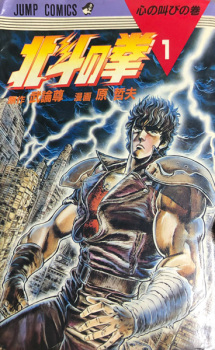 e.g. Fist of the North Star
A childlike worldview is dismantled by what the story reveals.
 e.g. Metamorphosis
Acting, personas or idols — the constructed self on stage versus off.
 e.g. Giji Harem
The megacity as labyrinth — crowds, alienation, micro-intimacies.
e.g. The Ghost in the ShellA closed community — its warmth, surveillance and buried agreements.
 e.g. Hokkaido Gals Are Super Adorable!
A designed society — the price of the perfect world is on display.
 e.g. No.6
Whether and how to forgive a grave wrong is the central dilemma.
 e.g. Natsume's Book of Friends
Old age, fading memory or dementia treated as subject, not decoration.
 e.g. Hana to Akuma
Fleeing an unbearable reality into games, dreams or fantasy — and the bill that arrives.
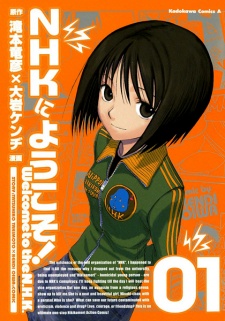 e.g. Welcome to the N.H.K.
Living with disability treated as experience, not tragedy prop.
 e.g. Koe no Katachi
Lies, secrets and the cost of knowing — truth is a scarce resource.
 e.g. Billy Bat
Words, translation or silence — the difficulty of truly reaching another mind.
 e.g. Tsuredure Children
Death, spirits or the afterlife as populated territory.
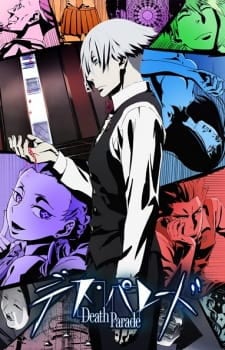 e.g. Death Parade
State or media machinery manufactures consent; characters navigate the lie.
e.g. No.6A person or family in fading circumstances refuses to disappear quietly.
 e.g. Innocent
Old and young generations in structural disagreement about how to live.
 e.g. Boruto: Naruto Next Generations
Material want and abundance shape dignity and choices.
 e.g. Velvet Kiss
How a nation remembers or rewrites its own past.
 e.g. Dead Dead Demons Dededede Destruction
Religious belief tested against experience, dogma or the gods themselves.
 e.g. Fire Force Season 2
Moods & tones
How it feels to sit through it — the affective texture.
Speed and momentum — watching it is a rush.
e.g. Nano MachineComedy is the dominant mode, not an occasional aside.
 e.g. Why the Hell Are You Here, Teacher!?
A cold, hopeless register where losses outweigh wins.
 e.g. Remina
Joy shot through with loss — the ending wounds and warms together.
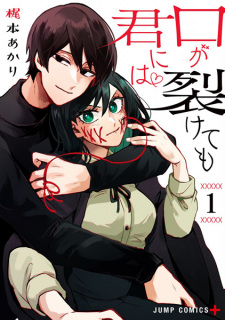 e.g. Even If You Slit My Mouth
A low, wistful sadness sustained across the whole work — beautiful and sad at once.
 e.g. Wake Up, Sleeping Beauty
Conflict without cruelty; the work refuses to hurt you cheaply.
e.g. Shugo Chara!Form itself is toyed with — wit, parody, fourth-wall winks.
e.g. Why the Hell Are You Here, Teacher!?Sustained nervous tension — the work keeps you braced.
 e.g. Iris Zero
The story insists outcomes can improve, and earns that belief.
 e.g. Edens Zero
Warm, low-stakes comfort — the viewing equivalent of a blanket and tea.
 e.g. Bonnouji
Kindness is the default — people help each other and mean it.
e.g. Kiss yori mo HayakuWorlds, wars and centuries — the register is opera, not chamber drama.
e.g. Edens ZeroDarkness you feel in the body — cruelty shown, not implied.
e.g. ReminaEngineered to lift you — resolution and charm over realism.
 e.g. Girlfriend, Girlfriend
Withheld information wound tight — scenes end on held breaths.
e.g. JudgeFrantic pace — chaos staged as rhythm.
 e.g. Bloody Monday
It follows you — imagery or dread that outlives the credits.
e.g. ReminaA fairy-tale lightness — magic in the mundane, gently surreal.
e.g. Shugo Chara!Small casts, close framing — emotional distance is kept minimal.
e.g. BonnoujiDeadpan absurdity — logic obeys comedy or despair, not realism.
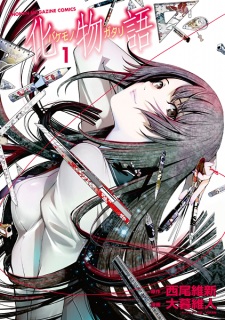 e.g. Bakemonogatari
Earned victory lap energy — the payoff is catharsis.
 e.g. Aoashi
Wrongness at the edge of perception — uncanny rather than loud.
e.g. Wake Up, Sleeping BeautyDashing adventure — panache, camaraderie and style over angst.
 e.g. Toriko
Longing for a time or place — memory styled as warmth and ache.
e.g. GenshikenA steady drumbeat that something terrible is already coming.
e.g. ReminaBeauty used as a vehicle for sorrow — the imagery aches.
 e.g. Black Bird
Aloof register — distance, formalism, an unforgiving lack of warmth.
e.g. Moriarty the PatriotPrecise emotional strikes — small moments that detonate.
e.g. Three Days of HappinessPhysical and emotional softness treated with unusual care.
e.g. How to Treat a Lady Knight RightEmotion deliberately maximal — swooning, weeping, declarations.
e.g. Black BirdOver-the-top escalation played at full volume — deliberate excess.
 e.g. Kiss x Sis
Malevolence in the fabric — smiling faces with poison under.
 e.g. Dai Dark
Logic floats — imagery and sequence behave like a dream.
 e.g. Kagerou Daze
Discomfort without a clear threat — wrongness as baseline.
 e.g. Mysterious Girlfriend X
Sober, muted gravity — heaviness worn matter-of-factly.
e.g. The Ghost in the ShellStillness as texture — even conflict is carried calmly.
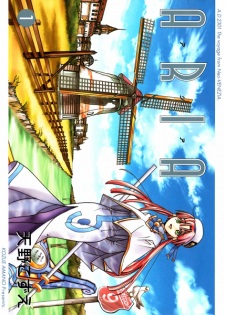 e.g. Aria
Quiet observation and interiority favored over plot mechanics.
e.g. Hikaru no GoEnclosed spaces and social pressure that never let you breathe.
e.g. JudgeOnce-upon-a-time logic — moral symmetry, enchantment, archetypes.
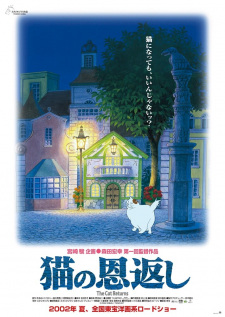 e.g. The Cat Returns
Story tropes & devices
Plot-level patterns with a searchable long tail.
Romantic or dramatic payoff delayed across dozens of episodes.
e.g. How to Treat a Lady Knight RightA rival relationship as the story’s furnace — mutual, defining, long-running.
 e.g. Mission: Yozakura Family
After-school club life as the story’s container.
e.g. Why the Hell Are You Here, Teacher!?No single protagonist — arcs are distributed across a group.
e.g. Shugo Chara!A structured competition brackets major story beats.
 e.g. Helck
The lead crushes the power curve from early on — spectacle over struggle.
e.g. Nano MachineOpponents duel with minds, plans and bluffs rather than force.
e.g. Iris ZeroThree-way romantic geometry is a sustained plot driver.
e.g. Girlfriend, GirlfriendA lethal game with rules, eliminations and betrayals.
e.g. JudgeSocial rules, family or status bar the couple; they cross anyway.
e.g. Wake Up, Sleeping BeautyA pretend couple whose act becomes inconveniently real.
e.g. Even If You Slit My MouthA double life hidden from people who know the other face.
 e.g. Eleceed
Forced or accidental living-together rearranges the relationship.
e.g. Kiss x SisA weak or dismissed contender grinding up against stronger rivals.
e.g. Iris ZeroHidden hands steer events; the truth is buried politically.
e.g. Bloody MondayDays or events repeat until the loop is understood or broken.
e.g. Kagerou DazeUnder-equipped humans against a hostile horror environment.
 e.g. Fort of Apocalypse
A journey in movement — episodic stops, changed bonds on arrival.
 e.g. Heavenly Delusion
A senior guide who shapes — and often leaves or dies for — the hero.
e.g. EleceedA school for the supernatural — lessons, ranks and rivalries.
e.g. Shugo Chara!Comedy carried by delivery and restraint rather than energy.
 e.g. Nichijou
Antagonism converts to romance line by line.
e.g. How to Treat a Lady Knight RightA game or simulated reality is a full-scale lived world.
 e.g. I'm the Max-Level Newbie
Recruiting specialists one by one before the big objective.
 e.g. Tsukimichi: Moonlit Fantasy
A war followed across campaigns, commanders and fronts.
 e.g. Drifters
The spiral — rational mind unraveling under pressure or obsession.
 e.g. Magical Girl Apocalypse
Forming and holding a band through creative and personal friction.
 e.g. Whisper Me a Love Song
Piloted giant machines are the battlefield’s core unit.
 e.g. Trapped in a Dating Sim: The World of Otome Games is Tough for Mobs
A destination with symbolic weight structures the whole travel.
 e.g. Rave Master
A dedicated trade or calling of tracking and killing monsters.
 e.g. Re:Monster
Loving someone who does not love back — longing without resolution.
e.g. Whisper Me a Love SongProphecy or lineage marks a unique savior the story interrogates.
e.g. Rave MasterThe telling itself lies or omits — viewers must distrust the frame.
e.g. BakemonogatariThe POV character is the story’s own antagonist.
e.g. Trapped in a Dating Sim: The World of Otome Games is Tough for MobsAfter the collapse — rebuilding, scavenging, the new normal.
e.g. Fort of ApocalypsePredictions hang over the plot — fulfilled, misled or defied.
 e.g. Tales of Wedding Rings
Lost memory as plot engine — recovering or hiding a past.
 e.g. Lunar Legend Tsukihime
Timeline scrambled — flashbacks, fragments, reverse or braided order.
 e.g. Spirit Circle
A season arc of team training, matches and internal growth.
 e.g. Suzuka
Consciousnesses exchange bodies and must live each other’s lives.
 e.g. Boku Girl
A vow made in childhood organizes the adult storyline.
 e.g. Darling in the FranXX
Criminal organizations with codes, loyalty and their own hierarchy.
 e.g. Hinamatsuri
Extracting someone from danger — the clock and obstacles define the story.
 e.g. JoJo's Bizarre Adventure Part 6: Stone Ocean
Palace politics — factions, marriage alliances, poison and favour.
 e.g. Villains Are Destined to Die
Coexisting variants of reality — crossings and divergences matter.
e.g. Tsukimichi: Moonlit FantasyModern folklore — chain stories, rumored entities — made real.
e.g. Even If You Slit My MouthA tight community hides something everyone protects.
 e.g. Another
The hero is dragged into duty — refusal and resentment included.
e.g. Tsukimichi: Moonlit FantasyA fair-play mystery — clues offered, culprit hidden, solution earned.
 e.g. Case Closed
The world itself is ending — entropy or apocalypse as setting condition.
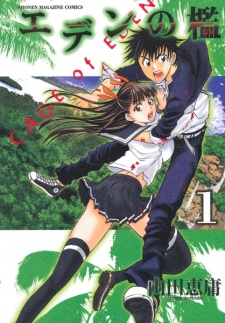 e.g. Cage of Eden
Culinary duels with judging, stakes and craft escalation.
 e.g. Food Wars!: Shokugeki no Soma
Divine beings walk the human world and mingle with mortals.
 e.g. Is It Wrong to Try to Pick Up Girls in a Dungeon?
A structured theft — crew, plan, contingencies, double-crosses.
 e.g. JoJo's Bizarre Adventure Part 9: The JoJoLands
The dead walk; survivors negotiate each other more than the dead.
e.g. Magical Girl ApocalypseInterstellar conflict and politics at operatic scale.
e.g. Edens ZeroSystematic inquiry into supernatural events and entities.
e.g. BakemonogatariContact with extraterrestrial intelligence and its fallout.
 e.g. Inuyashiki
Bite-sized comedic units adapted to sketch structure.
 e.g. Death Note Short Stories
Racing rivals to collect or secure a powerful object.
 e.g. Cardcaptor Sakura
The plot spans generations — parents’ choices echo into children.
 e.g. JoJo's Bizarre Adventure Part 1: Phantom Blood
History took another turning point, and we live downstream of it.
 e.g. The Ambition of Oda Nobuna
An item or place carries a curse that passes between owners.
e.g. Dai DarkA festival or big communal event anchors the emotional peak.
 e.g. The Seven Deadly Sins: Signs of Holy War
A survivor carries an extinguished people or species alone.
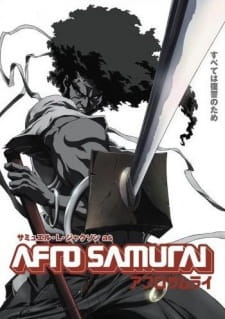 e.g. Afro Samurai
The fiction pretends to be recorded reality.
 e.g. Corpse Party: Tortured Souls
Viewing experience
Meta tags — commitment, entry difficulty, endings.
Hundreds of episodes or chapters — a serious time investment.
e.g. Nano MachineA classic first door into anime/manga for newcomers.
e.g. Shugo Chara!Works with no anime/manga background — no genre literacy assumed.
e.g. Is It Wrong to Try to Pick Up Girls in a Dungeon?Actually ends, and pays off its threads.
e.g. Mission: Yozakura FamilyThe one people return to when stressed — soothing rewatch value.
e.g. Shugo Chara!Short and propulsive — finishable in one or two sittings.
e.g. Why the Hell Are You Here, Teacher!?Opening stretch tests patience before the payoff begins.
e.g. Kagerou DazeAudience opinion splits hard — beloved and hated with equal heat.
e.g. Girlfriend, GirlfriendMajor twists are load-bearing — go in blind or lose the best of it.
e.g. Wake Up, Sleeping BeautySmall passionate following, outsized influence on those who found it.
e.g. ReminaQuality far above its recognition — criminally under-watched.
e.g. How to Treat a Lady Knight RightSuitable for children without becoming kids-only.
e.g. BonnoujiYou will be lost without the earlier entries in the franchise.
 e.g. Boruto: Two Blue Vortex
The adaptation honors the original closely — panel-faithful where it counts.
e.g. Moriarty the PatriotStrong start that drops the ball in the final stretch.
e.g. ReminaBuilt to reward repeated viewing — layers surface on revisit.
e.g. BakemonogatariEngineered and effective at making you cry.
 e.g. Tokidoki
Stops mid-air — continuation needed to resolve.
e.g. Heavenly DelusionOutpaced its source and invented its own ending.
 e.g. One Piece Film: Z
Adaptation diverges boldly — an interpretation, not a transcription.
e.g. Nano MachineThe manga/novel offers more — the adaptation is the lesser entry.
e.g. No Longer HumanBehind-the-scenes chaos visible on screen — delays, overruns, passion against odds.
 e.g. Hellsing